

Industrial procedures count greatly on machinery that works below high pressure, demanding accuracy, and safety. One of the critical components ensuring easy efficiency are drum brakes.These programs aren't just security instruments; they perform a pivotal position in detailed effectiveness, unit longevity, and employee protection.
What Are Industrial Brakes and Why Do They Subject?
Industrial Brakes are technical or hydraulic techniques designed to manage or stop the activity of machinery. They're applied across groups such as for example manufacturing, logistics, power, and product handling. In accordance with recent industry reports, around 70% of technical failures in Industrial machinery are related to braking or get a handle on process issues, showing the importance of trusted braking solutions.
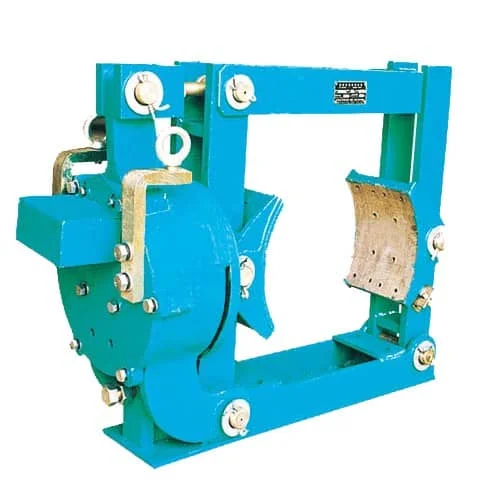
Critical Kinds of Industrial Brakes
There are numerous forms of Industrial Brakes, each designed for unique applications:
Disc Brakes – Frequent in high-speed equipment wherever quick ending is necessary.
Drum Brakes – Often utilized in heavy-load equipment because of their durability.
Electromagnetic Brakes – Perfect for automated and robotics-based systems.
Hydraulic Brakes – Give precise get a handle on in Industrial lifting or manufacturing operations.
Choosing the correct form is crucial, as improper selection can lead to functional downtime or safety hazards. Data from industry surveys show that organizations using the improper brake type experience maintenance prices around 40% greater than individuals with improved systems.
Emerging Developments in Industrial Brake Engineering
Creativity in Industrial Brakes has accelerated with the rise of automation and smart factories. Crucial tendencies include:
Integration with IoT and Sensors – Real-time tracking enables predictive maintenance, reducing unexpected equipment halts.
Energy-Efficient Methods – Contemporary Brakes are designed to decrease power use while maintaining stopping power.
Increased Material Durability – New composites and alloys improve brake lifespan, even yet in high-stress environments.
Study also implies that factories utilizing clever brake monitoring systems see an average 25% lowering of unplanned downtime.
Preservation and Efficiency Metrics
Correct preservation of Industrial Brakes is essential. Normal inspection of pads, discs, and hydraulic liquids can prevent costly failures. Market data suggest that companies following a hands-on preservation routine see up to 50% longer gear life. Efficiency metrics to track include stopping range, reaction time, temperature resilience, and use patterns.
Industrial Brakes and Safety Compliance
Security requirements and regulations are central to Industrial brake usage. Conformity with these criteria not just guarantees employee security but also protects firms from potential appropriate and operational risks. Companies that purchase certified braking programs record somewhat less workplace situations related to machinery malfunction.
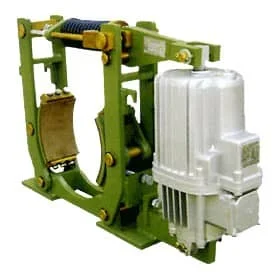
Potential Outlook
As Industrial operations evolve, brake methods are likely to become smarter, more energy-efficient, and easily incorporated with computerized platforms. Businesses prioritizing the upgrade of the braking programs are situated to improve output while lowering operational risks.
Realization
Industrial Brakes are more than simple components—they are required for working protection, efficiency, and device longevity. Monitoring traits, understanding efficiency metrics, and buying advanced methods assures that Industrial procedures stay equally productive and safe in a fast developing production landscape.